Crafting Realms of Wonder: World-Building Techniques in Fantasy Writing
Jul 15, 2023
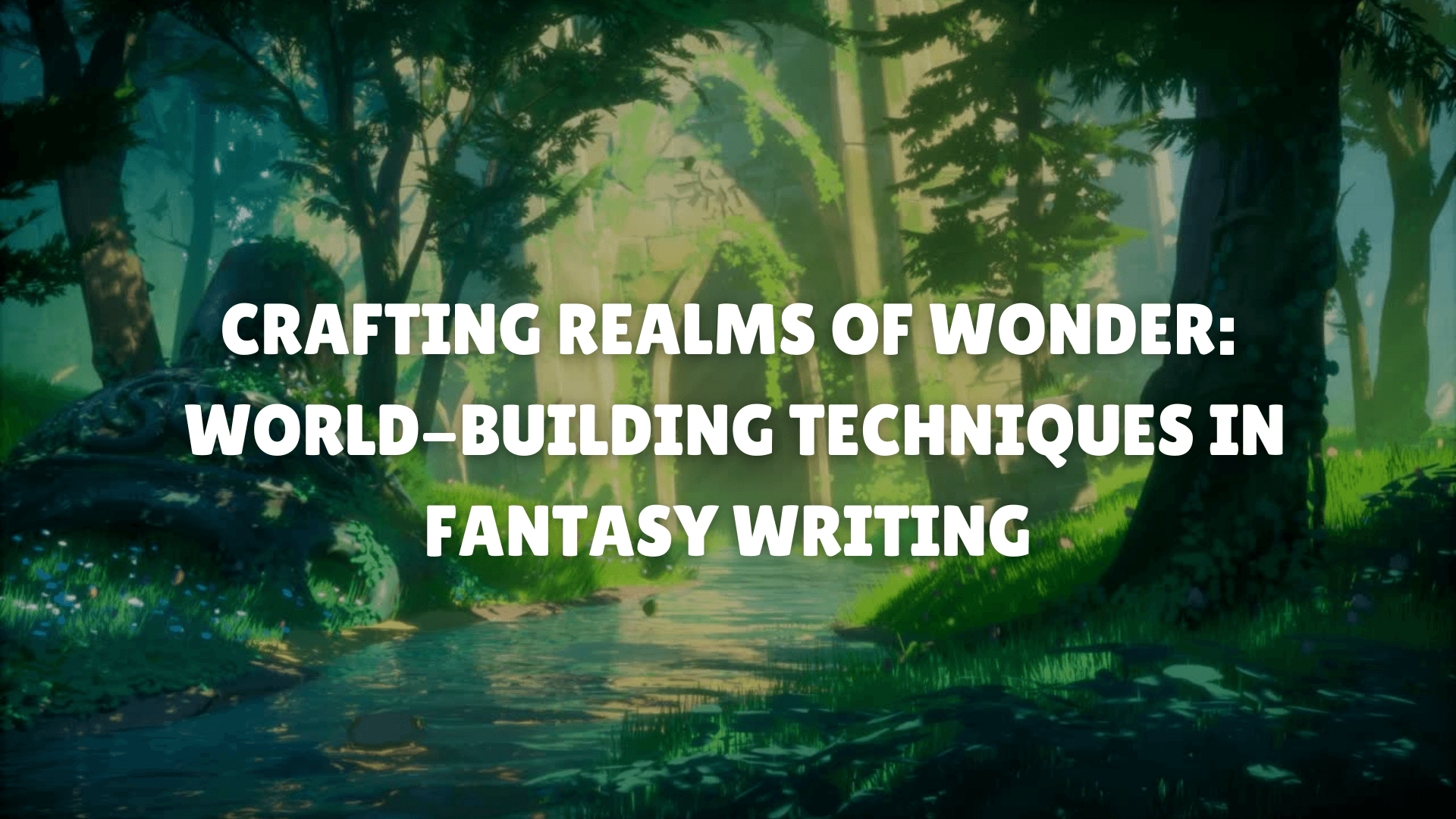
In the realm of fantasy literature, world-building is an art form in itself. It is the loom upon which writers weave threads of magic, culture, geography, and history into a vibrant tapestry that serves as the backdrop for their characters' adventures. When executed well, these imagined worlds become as real and as unforgettable as the characters that inhabit them. Join me as I share some of the techniques I use to craft compelling, immersive worlds in my fantasy stories.
Begin with Basics
In the early stages of world-building, I like to start with a broad-strokes vision of the world. What's the geography like? What kinds of plants, animals, and magical creatures live there? What's the climate like, and how does it affect the inhabitants' way of life? This "big picture" view of the world provides a solid foundation upon which I build the details.
Craft Unique Cultures
To make the world feel truly immersive, it's essential to build rich, complex cultures. Each culture should have its own customs, beliefs, traditions, and societal norms. When creating cultures, I draw inspiration from real-world civilizations while injecting elements of the fantastical to keep things fresh and intriguing.
Invent Consistent Magic Systems
Magic is the lifeblood of fantasy literature, but for it to feel real and credible, it needs rules and limitations. When I design a magic system, I consider its source, its capabilities, and its cost. Consistency is key—a magic system that follows its own logic enhances the immersive quality of the world.
Create a History
Every world has a past, and the history of a world can add depth and richness to the narrative. Wars, natural disasters, reigns of legendary rulers—these historical events shape societies and impact the present. They can also provide a wealth of plot points and character backstories.
Consider Language and Communication
Language is a vital aspect of world-building. It affects everything from character names to place names, from greetings to curses. A unique language or dialect can lend a distinct flavor to your fantasy world. While it's not necessary to invent a full-fledged language like Tolkien's Elvish, sprinkling your narrative with linguistic nuances can add an extra layer of authenticity.
Remember the Economy
Economy might seem like a mundane detail in a fantasy world teeming with magic, but it plays a crucial role in defining a society. What are the key resources and who controls them? How is trade conducted? Understanding the economics of your world will help you craft more believable conflicts and societal structures.
Show Through Story
A common pitfall in world-building is the "info-dump," where the author overtly lays out the details of the world. The key is to reveal the world organically through the characters' actions and experiences. Let your readers discover the world alongside your characters—it's far more engaging and satisfying.
Crafting a fantasy world is no small feat—it requires creativity, attention to detail, and a lot of patience. But when done right, the result is a captivating, immersive world that readers can lose themselves in, and, more importantly, a world they'll want to return to, time and again.
So, fellow scribes of the fantastic, what are your favorite techniques for world-building? I invite you to share your thoughts and experiences. Let's learn from each other and continue to create realms of wonder that transport our readers into the heart of our imagination. Happy world-building!